
Contents Cleaning, Pack-Out & Storage in Keller, TX
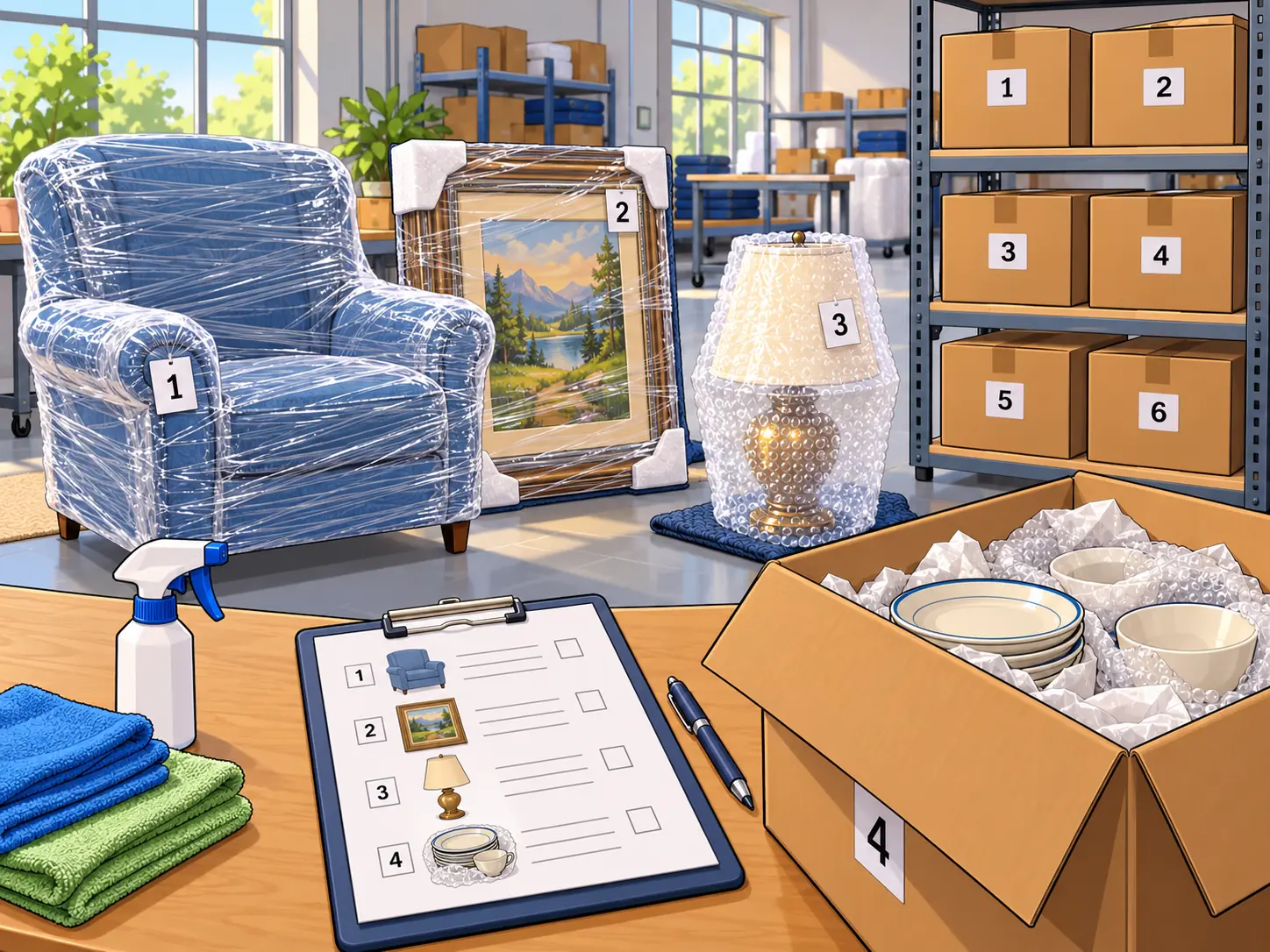
A contents pack-out is the inventoried removal of your belongings so they can be cleaned off site and stored while the structure is repaired. Best Option Restoration of Keller photographs and barcodes every item before it leaves, cleans by material type, and stores in a climate-controlled facility. Typical cost is $1,500–$25,000, normally a covered line item on your claim.
$1,500–$25,000 total, by item count and method.
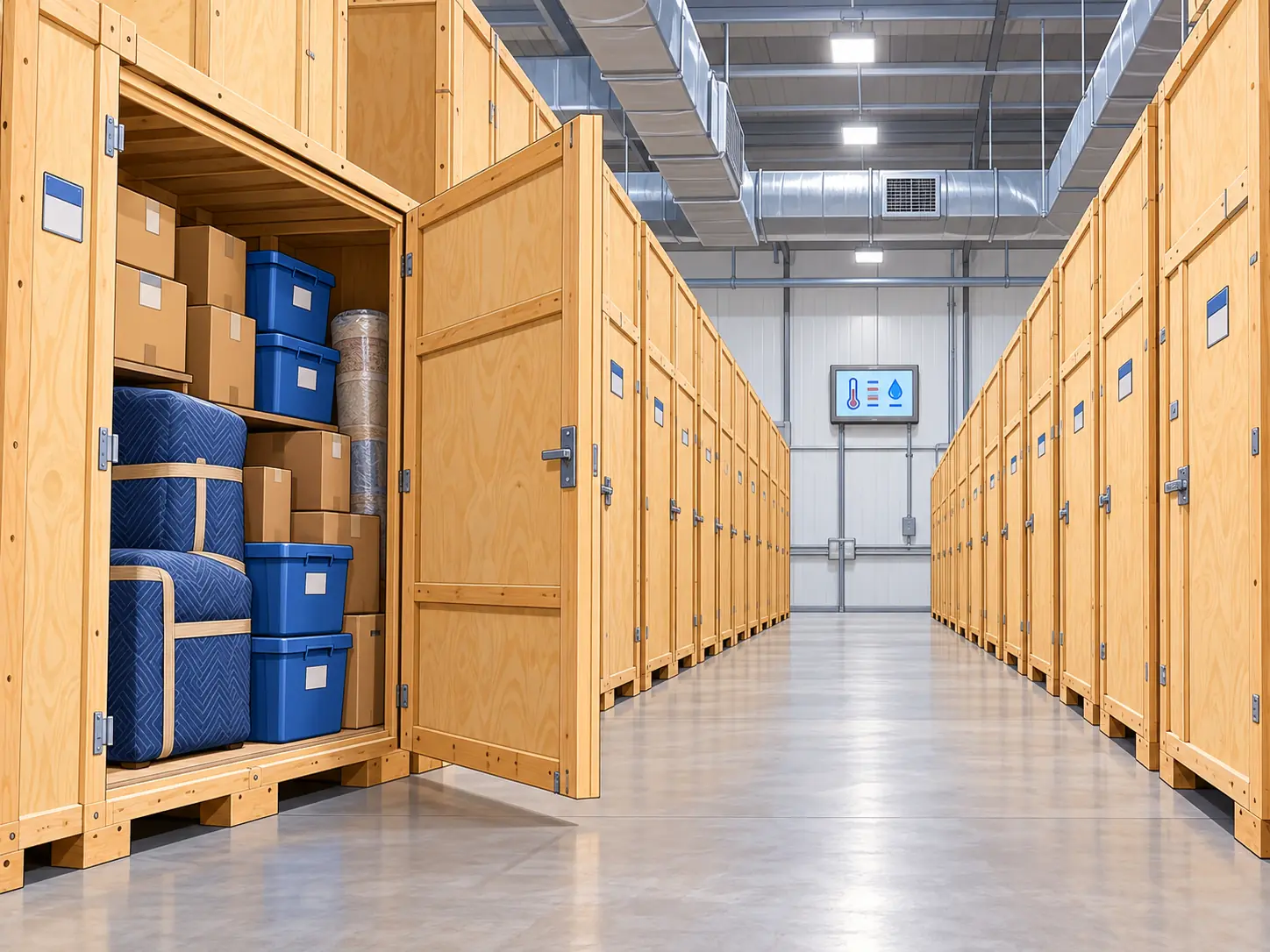
$200–$600 per month, climate-controlled and secured.
1–5 days to pack out; storage 3 weeks–4 months.
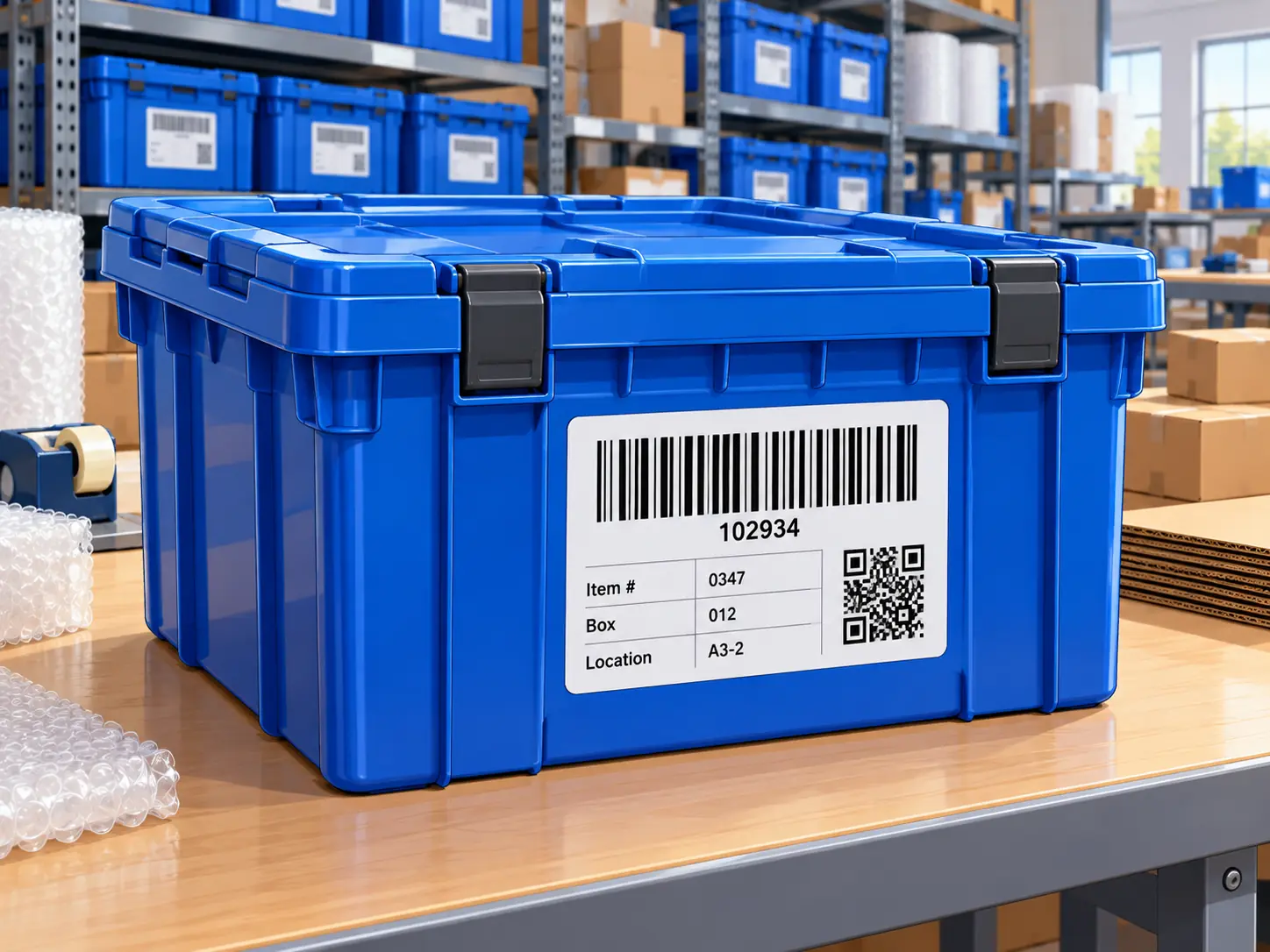
Every item photographed, described and barcoded.
Normally covered; personal property is a separate limit.
Nothing is disposed of without documentation and your sign-off.
When a pack-out is the right call
Not every loss needs one. These five do.
Demolition or heavy reconstruction is coming
Contents in a work zone get damaged twice: once by the loss, once by the rebuild.
Smoke odor is in soft goods throughout the house
Textiles hold odor and re-release it into a cleaned room. They have to be treated off site.
The structure needs to be empty to dry properly
Furniture on wet flooring blocks airflow, stains, and adds days to the drying schedule.
The claim needs a defensible contents inventory
A photographed, barcoded schedule settles contents far faster than a homeowner's recollection.
The home is uninhabitable and unsecured
After a fire, a boarded house is still not a secure house. Contents belong in a controlled facility.
What can be saved, by material
Material and water category decide restorability, not how bad it looks on day one.

How a pack-out works, step by step
Seven phases. The inventory in phase two is what makes the rest of it, and your contents settlement, defensible.
Walkthrough & triage
Every room walked with you. Three piles: packed out, cleaned in place, documented as non-salvageable.
Photograph & barcode
Each item or carton photographed, described and barcoded before it leaves: chain of custody and claim document in one.
Pack & transport
Wrapped and crated by fragility and material. High-value and sentimental items handled separately.
Clean by material type
Ultrasonic for hard goods, restoration laundering for textiles, specialist decontamination for electronics, freeze-drying for documents.
Deodorize & verify
Odor treated at source, then each item inspected. Anything that fails is re-cleaned or reclassified.
Climate-controlled storage
Secured and climate-controlled, inventory visible to you and your adjuster. Request items back any time.
Pack-back & reconciliation
Returned room by room, checked against the barcoded inventory, with the non-salvageable schedule delivered to your carrier.
Contents coverage, and why the inventory matters
Personal property is a separate limit from dwelling coverage, usually 50–70% of the dwelling amount on a Texas homeowners policy. Contents is also the part of a claim most often underpaid, for one avoidable reason: the homeowner is asked to list what they owned from memory, weeks after losing it.
A photographed, barcoded inventory removes that problem. It documents what existed, its condition, and what happened to it, which is why we build it before anything moves rather than after.
Watch the sub-limits
Jewelry, firearms, cash, collectibles and business property carry separate caps on most policies, often far below their actual value. A scheduled-property endorsement is the fix, and it has to exist before the loss.
ACV vs RCV on contents
Actual cash value pays depreciated value; replacement cost value pays what it costs to replace, usually in two payments, the second after you actually replace the item and submit receipts.
Nothing leaves undocumented
Every non-salvageable item is photographed and scheduled before disposal, with your sign-off. If a crew ever offers to "just haul it off", that's your contents settlement going into a dumpster.
Our licenses & facility
Definitions, in one line each
Pack-out is the inventoried removal of contents to a controlled facility for cleaning and storage.
Pack-back is the return and placement of restored contents once the structure is finished.
Ultrasonic cleaning uses high-frequency cavitation in a solution to lift residue from hard goods without abrasion.
Freeze-drying sublimates ice directly to vapor, recovering wet documents and photographs that air drying would destroy.
Non-salvageable schedule is the documented list of unrestorable items your carrier settles contents from.
What contents work costs in DFW
What our local pack-out jobs usually cost. On a covered loss these are normally payable line items.
Contents work is almost always cheaper than replacement, which is why carriers pay for it: restoring a wardrobe costs a fraction of buying one. Where restoration isn't economic, the non-salvageable schedule is what your adjuster settles from, so it's built to be defensible rather than approximate.
We work with your insurance company
We bill your insurer directly and give your adjuster the full contents inventory. You pay your deductible. Hablamos español.
Don't see your insurer? We work with them too. Just ask.

Before the pack-out crew arrives
Six things worth doing while you wait.
Take your own wide photos of every room before anything moves.
Set aside what you need daily: medication, chargers, a week of clothes, work equipment.
Keep passports, deeds, titles and firearms with you, not in the pack-out.
Flag anything sentimental or high-value so it's handled separately.
Don't plug in anything smoke- or heat-exposed to "see if it still works".
Leave wet documents and photos wet and cold. Don't try to separate them.

Contents & pack-out FAQs
What is a pack-out in an insurance claim?+
A pack-out is the inventoried removal of your belongings from a damaged property so they can be cleaned off site and stored while the structure is repaired. Every item is photographed, described and barcoded before it leaves, which creates both a chain of custody and the documentation your carrier needs. Pack-out, cleaning, storage and pack-back are normally covered line items on a fire or water claim.
Can water damaged furniture be restored?+
Solid wood furniture is often restorable if it's dried slowly and controlled to prevent warping and joint failure. Particleboard and MDF furniture usually isn't. The core swells irreversibly once wet. Upholstered pieces depend on the water category: Category 1 clean water is frequently salvageable, while anything contacted by Category 3 sewage or flood water is removed as non-restorable.
How much does contents cleaning and pack-out cost?+
Most residential pack-outs in DFW run $1,500 to $25,000 in total. A single-room pack-out with cleaning is typically $1,500–$4,000, a whole-home pack-out for a major fire is $8,000–$25,000, and climate-controlled storage generally adds $200–$600 per month. Cost is driven by item count, cleaning method by material, and how long storage runs.
Will my belongings be inventoried?+
Yes. Every item or carton is photographed, described and barcoded before it leaves your property, and you and your adjuster can see the inventory at any point. Nothing is disposed of without being documented first, which protects your contents settlement and means you're never asked to remember what was in a closet.
Can smoke damaged clothes be saved?+
Most can. Textiles are laundered or dry cleaned with restoration-specific processes and then ozone treated to remove odor at the fiber level, which ordinary dry cleaning doesn't achieve. Items with heavy protein or fuel-oil smoke exposure, and anything scorched, are usually non-salvageable and documented for the claim instead.
What about electronics, photographs and documents?+
Electronics are decontaminated by an electronics restoration specialist, because soot is acidic and corrodes internal components long after the surface looks clean, never plug in a heat- or smoke-exposed device to test it. Wet documents and photographs are stabilized and sent for freeze-drying, which recovers far more than air drying, so keep them wet and cold rather than trying to separate them.
How long will my belongings be in storage?+
Storage runs as long as the structural repairs take, typically three weeks to four months. You can request specific items back at any time (most people do this for clothing, tools, children's items and documents) and we retrieve them against the barcoded inventory rather than searching cartons.
Who decides what is thrown away?+
You do, with our recommendation and the standards behind it. We flag items as restorable or non-salvageable based on material and water category, photograph and document everything before disposal, and never dispose of anything without your sign-off. Sentimental items get a restoration attempt even when the economics don't justify it, if that's what you want.
Does insurance cover contents cleaning and storage?+
On a covered fire or water loss, contents pack-out, cleaning, storage and pack-back are normally payable line items, and personal property coverage pays for what can't be restored. Contents coverage is a separate limit from dwelling coverage, and some categories such as jewelry, firearms and collectibles carry sub-limits. We bill the carrier directly and document non-salvageable items on a schedule your adjuster can settle from.
Not sure whether you need a pack-out?
We'll walk the property with you and tell you honestly. Sometimes cleaning in place is the better answer.
Contents pack-out near you
Local crews and local storage across every community we serve. Your belongings never leave the metro.
Reviewed by Jonathan Dempsey, owner and lead project manager, IICRC FSRT/OCT/WRT · Published September 7, 2026 · Last reviewed October 16, 2026 · Coverage descriptions are general; your policy language controls. Prices come from our local projects and aren't a quote.